GDAC Dissemination Workshop on "Legal Frameworks, International Standards, and Accreditation Systems" in Ratanakiri Province
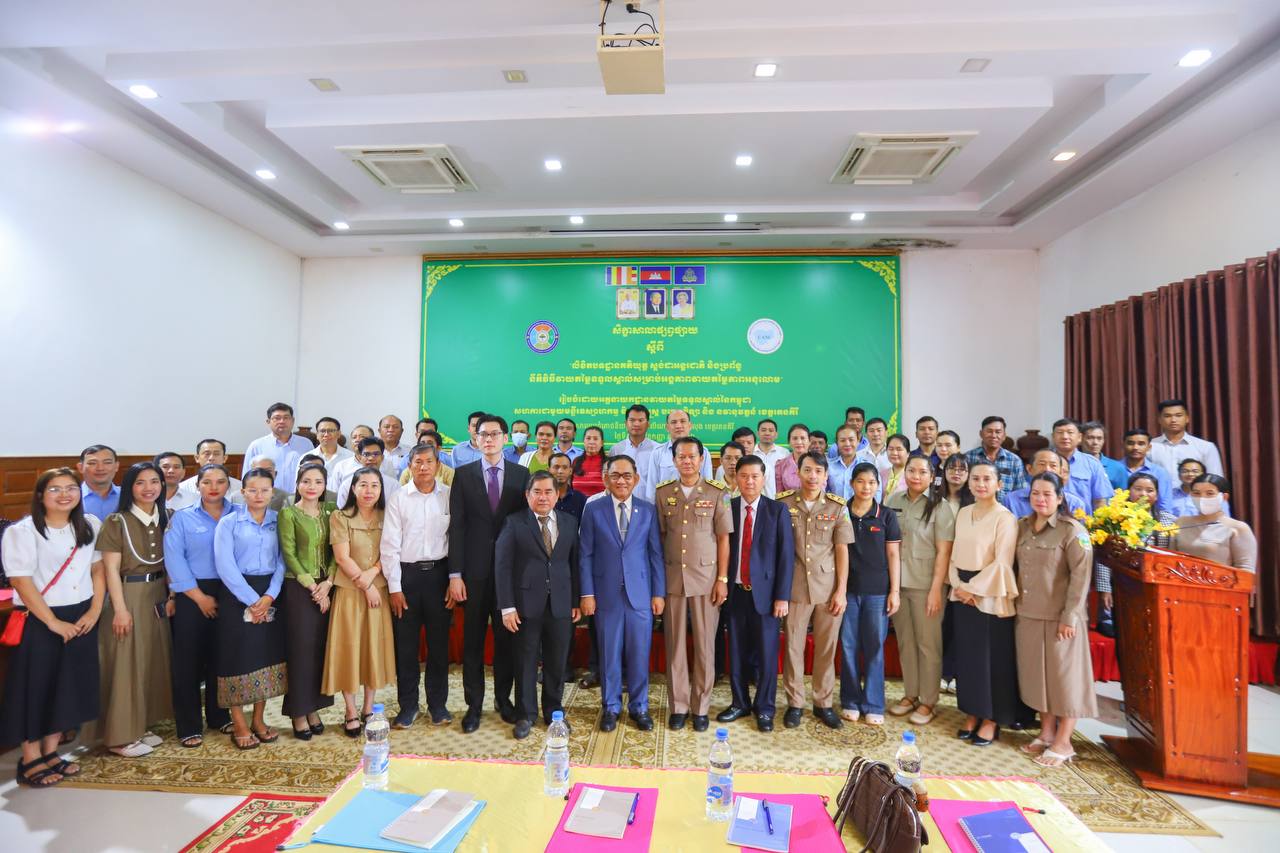
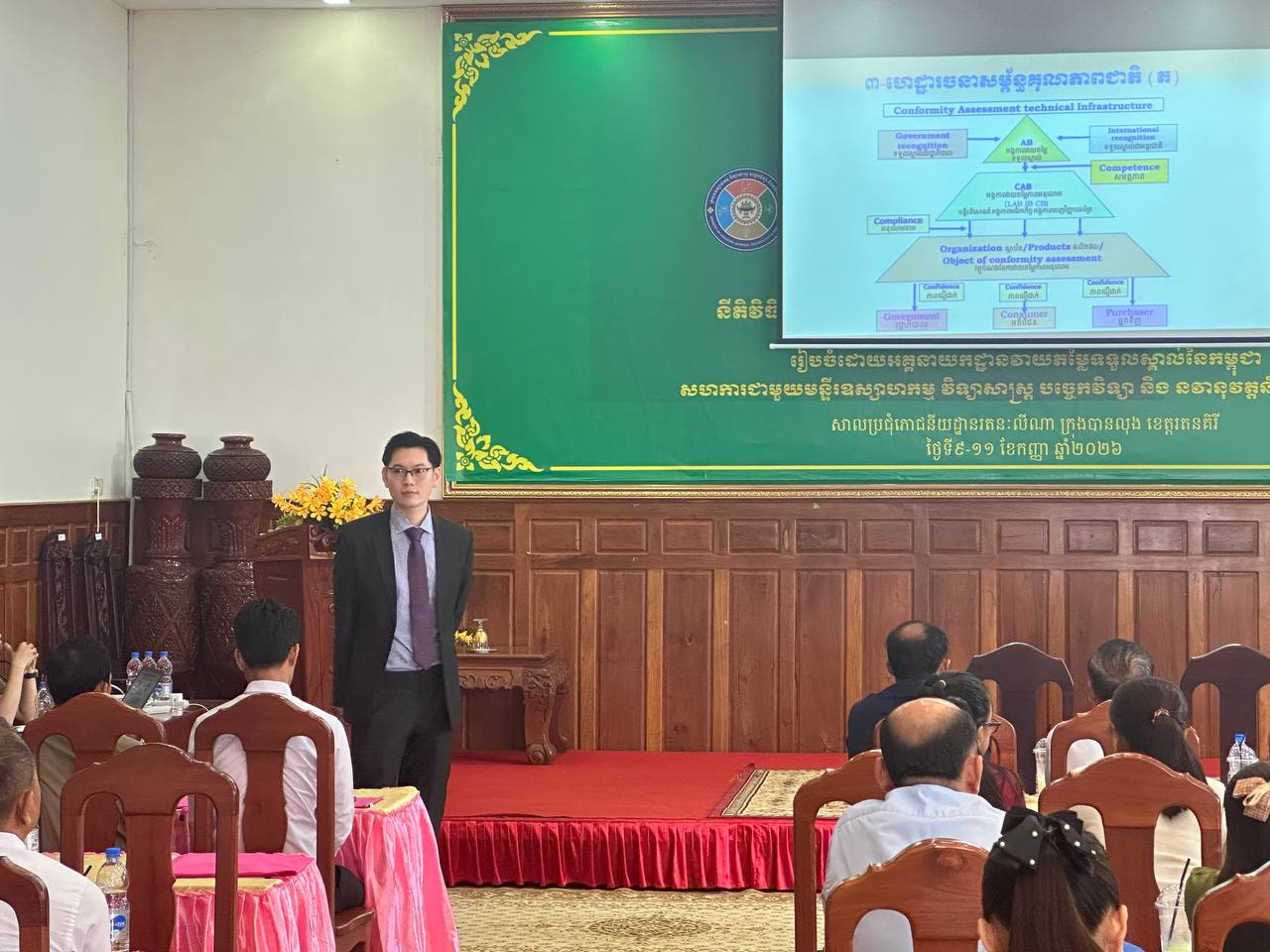
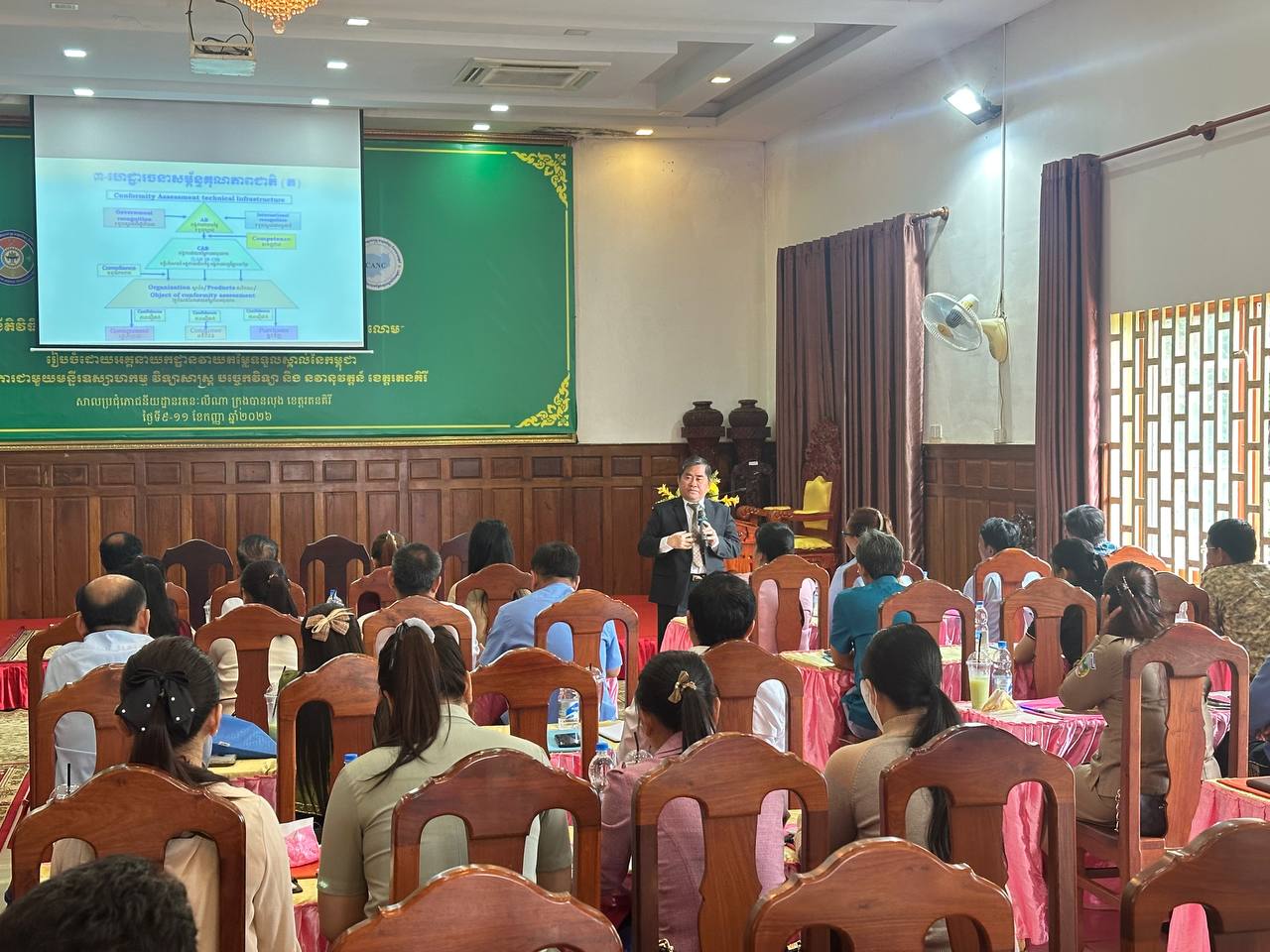
Ratanakiri Province: From September 9–11, 2026, the General Department of Accreditation of Cambodia (GDAC), in collaboration with the Departments of Industry, Science, Technology & Innovation of Ratanakiri, Mondulkiri, and Stung Treng provinces, organized a dissemination workshop on "Legal Frameworks, International Standards, and Accreditation System Procedures for Conformity Assessment Bodies" at Ratanakiri Province.
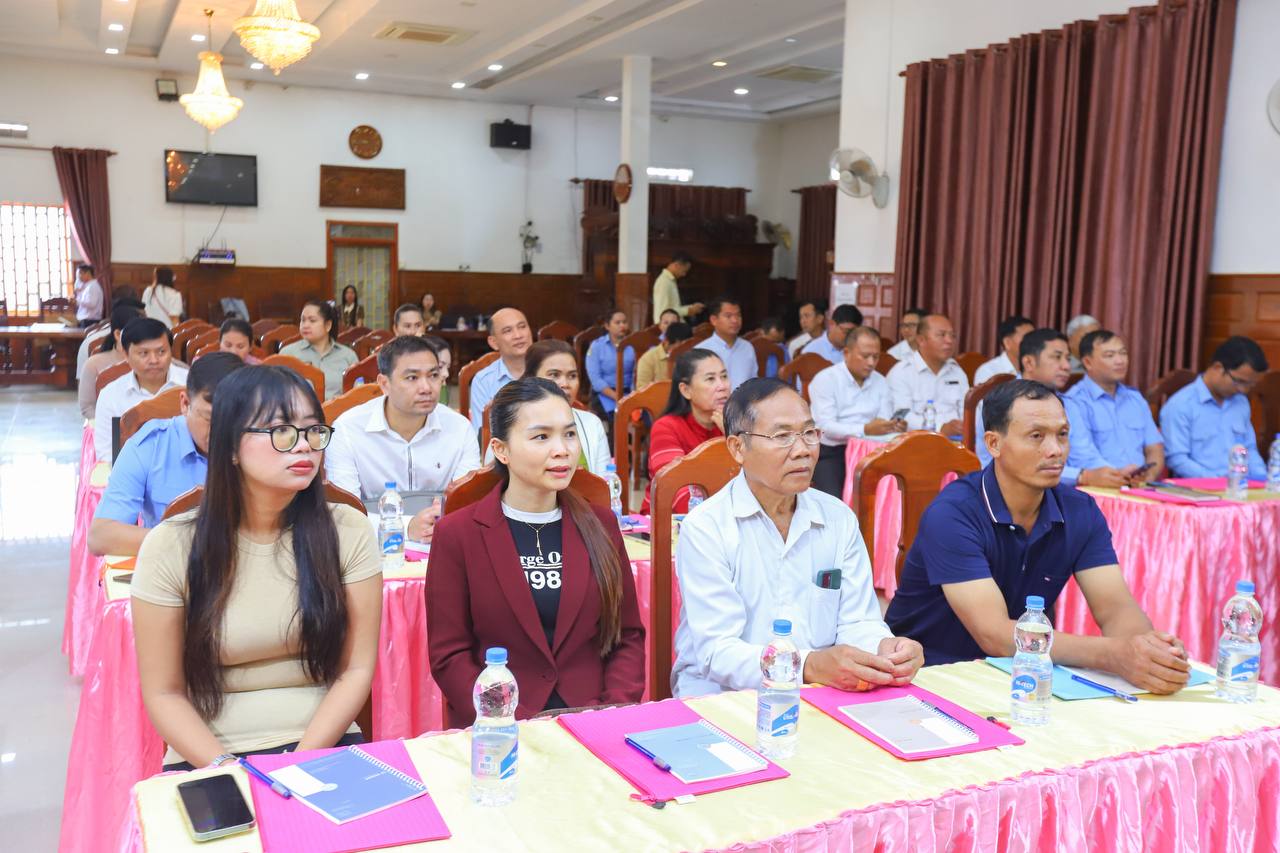
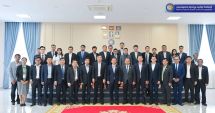
The workshop was presided over by H.E. Prom Dolin, Undersecretary of State and High Representative of H.E. Hem Vanndy, Minister of Industry, Science, Technology & Innovation. The event brought together a total of 79 participants (including 17 women) representing relevant ministries/institutions, associations, Conformity Assessment Bodies (CABs), and the private sector.
Key Objectives of the Workshop:
1. Disseminate information and enhance understanding of accreditation and its related procedural systems.
2. Increase awareness of national and international legal frameworks and standards relevant to conformity assessment.
3. Promote operational capability and performance of Conformity Assessment Bodies, focusing on competence, independence, impartiality, and credibility.
4. Provide a platform for stakeholders to exchange knowledge, practical experience, and best practices regarding conformity assessment and accreditation.
During the workshop, participants actively engaged in discussions regarding operational challenges, shared practical experiences, and raised key recommendations and requirements aimed at strengthening Cambodia’s conformity assessment and accreditation framework.
Organizing this workshop is part of GDAC’s ongoing commitment to raising stakeholder awareness about the critical role of accreditation in promoting quality, competence, credibility, and national as well as international recognition of conformity assessment results.
Relate Article
On the morning of September 7, 2026, at the 14th-floor meeting hall of the Techo Sen Building, the General Department of Accreditation of Cambodia (GDAC) hosted a bilateral meeting with a laboratory delegation from Malaysia. The meeting was presided over by H.E. Chhrien Sengkong, Director General of the General Department of Accreditation of Cambodia, with the participation of Deputy Directors General, Department Directors, the Director of the Phnom Penh Department of MISTI, and officials from the General Department.The purpose of this meeting was to gain a comprehensive understanding of Cambodia’s accreditation system. The Malaysian delegation expressed their interest in investing in food testing laboratories in Cambodia to support the food production sector in ensuring quality, safety, and compliance with established standards.
On the morning of September 7, 2026, at the 7th-floor meeting room of the Techo Sen Building, the General Department of Accreditation of Cambodia (GDAC) organized a consultative meeting with three representatives from UNDP, Dr. Carsten Jansen, Sustainable Public Procurement Expert, Mr. Chheng NgovVeng, Construction Material Expert and Mr. Heng Sovanchandara, Energy and Green Growth Specialist. The meeting was presided over by His Excellency Chhrien Sengkong, Director General of GDAC, and attended by the Deputy Directors General, Directors of Departments, and officials of the General Department. The purpose of this meeting was to understand the working system and the importance of accreditation as a crucial foundation for protecting the environment from waste generated by the production and use of construction materials containing hazardous chemicals.
Phnom Penh, September 3, 2026 - The National Accreditation Council of Cambodia (CANC) on Thursday backed measures to strengthen the country’s accreditation system and expand the use of accredited testing, inspection and certification services, as part of efforts to improve product quality, regulatory confidence and market access. The Council’s sixth meeting reviewed the compliance status of conformity assessment bodies (CABs) and discussed the General Department of Accreditation of Cambodia’s (GDAC) quality management system and accreditation schemes, developed in line with international standards including ISO/IEC 17011, ISO/IEC 17025 and ISO/IEC 17065 - these frameworks were further validated by the re-peer evaluation conducted last April 2026, in accordance with the Global ACI cycle set every four years. As a direct result of this evaluation, GDAC successfully maintained its Signatory MRA status with both APAC and Global ACI.A key focus was a proposal to progressively require public and private CABs - including laboratories, inspection and certification bodies - to obtain accreditation, while encouraging factories, enterprises and SMEs to use testing, inspection and certification services provided by accredited CABs. Minister Hem Vanndy, Chair of CANC, said accreditation was essential to building confidence in the competence and reliability of Cambodia’s conformity assessment system. “Accreditation is not simply about obtaining a certificate. It is about building confidence that our laboratories and conformity assessment bodies have the competence to produce reliable results. When those results are internationally recognized, our businesses can reduce repeat testing, lower costs and gain more access to overseas markets,” Minister Vanndy said. The Council agreed in principle on three main proposals: progressively making accreditation a requirement for CABs; promoting the use of accredited CAB services among factories, enterprises and SMEs; and encouraging sector regulators to incorporate appropriate accreditation and conformity assessment requirements into relevant regulations and technical rules. CANC tasked its Secretariat with further study of the proposals and development of a phased approach to implementation before submitting detailed measures to the Council for future approval.